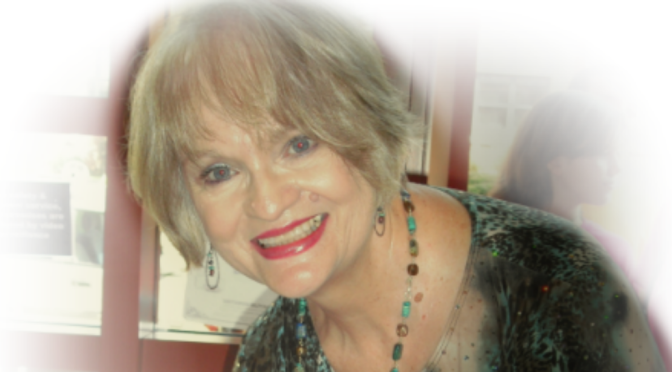
This month’s author journal was written by one of my favorite historical fiction authors, Golden Keyes Parsons. I hope you will take the time to read her books, because I assure you they are totally worth your time. In her guest author journal, Golden shares what it’s like to be recognized as an author, and … Continue reading Guest Author Journal: Who Me? from Golden Keyes Parsons→
You’ve probably noticed the radio interview announcement to the left. Here’s an author journal confession: I’d rather design the announcement than do the interview. If I sound nervous, it’s because I am. The interview is set for between 8 and 9 pm Pacific Time, Tuesday, March 12th. That’s a time I’d normally be getting ready to … Continue reading Author Journal: Moving Out of My Comfort Zone→
I don’t know what I was thinking. After a three-week road trip to California, the Grand Canyon, the Great Salt Lake, and Astoria, I had barely enough time to unpack, scrape out the house, and give my email inbox a lick and promise before packing for a new road trip. I set course with another … Continue reading Author Journal: Gritting My Teeth and Other Pastimes→
Upcoming Journeys I and a group of writing friends will soon invade one of the San Juan Islands for a week of writing, researching, catching up on one another’s lives, and talking shop. Our yearly Live Write Breathe retreat is something none of us would willingly miss. I’ll also venture out on side trips, camera … Continue reading Author Journal: Living, Writing, Breathing…and Waiting→
Author Journal I stared at the email, half-expecting it to somehow morph into a rejection, but no. It was still a contract offer. Letting out a yelp, I snatched my cell phone to call my husband. Later that same day, after opening another email, I would call him back to share more joy. It was … Continue reading Author Journal: Living a Writer’s Dream→
I want to be a writer who doesn’t need permission to tell my truth.
I received at least part of my literary training in the school of hard knocks. I hadn’t traveled the path of life long before the dream of becoming a novelist took hold of me and wouldn’t shake loose. I had to try.